
Have you moved furniture recently and discovered unexpected bare patches in your carpet? If so, then carpet moths are likely the culprit here. These small insects cause significant damage to natural fibre flooring, particularly wool carpets and they multiply rapidly when left unchecked.
While adult carpet moths are harmless, it’s their larvae that feed extensively on the natural fibres found in carpets, rugs and upholstery. The moth life cycle repeats several times annually depending on your home’s temperature and humidity levels. What starts as a minor problem can escalate quickly.
The larvae burrow deep within carpet fibres, making early detection difficult. By the time damage becomes visible, they’ve been feeding for weeks. Understanding what attracts these pests and how they behave gives you the foundation for effective prevention and treatment.
What Draws Carpet Moths Into Your Home
Carpet moths seek out quiet, undisturbed areas where they can feed and reproduce without interruption. Heavy furniture creates ideal hiding spots as do low traffic areas of your home. Poor ventilation and higher humidity levels make certain properties more vulnerable to infestation.
The larvae feed on the natural fibres, and while synthetic carpets are less attractive to moths they can still harbour infestations if organic material accumulates over time. Dust, hair, skin cells and food particles all provide additional food sources. The warmer months bring increased humidity, which corresponds with higher moth activity, so maintaining proper ventilation and regular cleaning routines during these periods becomes particularly important.
Prevention is Your First Line of Defence
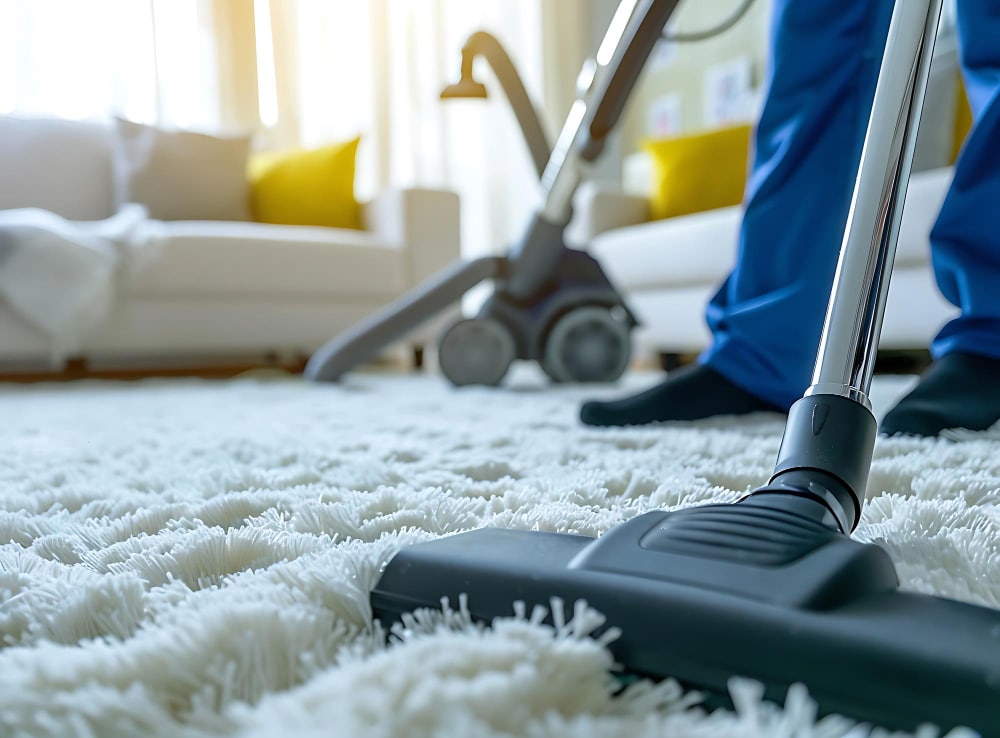
Regular maintenance prevents most carpet moth problems. Weekly vacuuming removes eggs, larvae and the organic debris that attracts them, so focus on areas beneath furniture, along skirting boards, and in corners where dust accumulates.
Humidity control also makes your home less hospitable to moths. Dehumidifiers help during humid months, as does opening windows on dry days to improve airflow. Rotating furniture periodically exposes all carpet areas to light and foot traffic, both of which discourage moth activity.
Store wool blankets, clothing and other natural fibre items in airtight containers. This prevents moths from accessing potential breeding grounds. Natural deterrents like lavender sachets or cedar blocks can be placed in wardrobes and under furniture where moths typically nest.
Why Professional Steam Cleaning is Essential for Moth Eradication
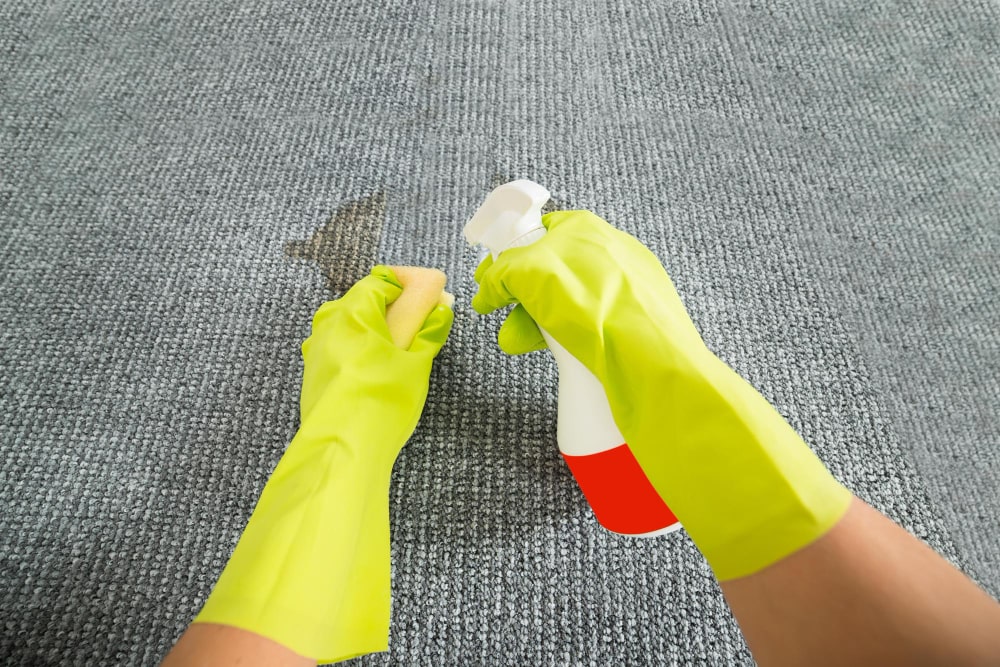
DIY methods work for early stage infestations, but established moth problems often require professional intervention. Steam carpet cleaning eliminates larvae and eggs that home vacuuming misses, while also refreshing carpet fibres and removing odours associated with moth activity. Professional cleaning reaches the base of carpet fibres where larvae typically hide and the high temperatures involved in steam cleaning kill all life stages of carpet moths, providing thorough eradication that’s difficult to achieve with standard household equipment.
With Regular professional maintenance combined with your home cleaning routine, it provides the most reliable long term protection against carpet moths.